

Understanding Distracted Driving and Its Consequences
Distracted driving remains a critical threat on roads across the country, causing numerous preventable injuries and deaths every year. In 2022 alone, distracted driving accidents claimed approximately 3,300 lives and resulted in 289,000 injuries, according to the National Highway Traffic Safety Administration. The prevalence of these incidents means motorists need to be vigilant and aware of their rights, especially if they are affected by another driver’s negligence. For anyone coping with these accidents, connecting with knowledgeable legal counsel, such as the Quinnlawyers.com, can help protect their interests during a complex claims process.
Whether you are navigating insurance paperwork, seeking compensation, or dealing with the aftermath of physical injury, knowing how to respond can impact your long-term recovery and security. Taking appropriate, timely action helps ensure your legal protections are fully leveraged in the wake of a distracted-driving crash.
Common Causes of Distracted Driving
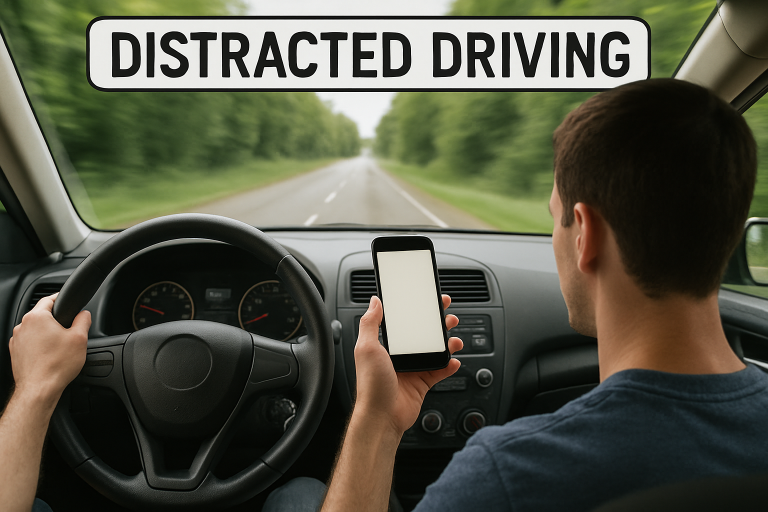
Distraction behind the wheel takes many forms, ranging from activities people underestimate, like grabbing a quick bite on the go, to habits many recognize as risky. The most common distractions include texting or smartphone use, eating or drinking while driving, adjusting the in-car radio or navigation, engaging in conversation with passengers, and even personal grooming. Of all these activities, texting is the most dangerous since it diverts a driver’s attention physically, visually, and mentally all at once, greatly heightening the risk of an accident.
When a driver diverts their attention from the road, the chances of an accident rise dramatically. According to the Centers for Disease Control and Prevention (CDC), distracted drivers are responsible for a significant proportion of rear-end collisions, roadway departures, and intersection crashes, underscoring the need for public vigilance and education on this issue).
Legal Framework Surrounding Distracted Driving
Laws regarding distracted driving can vary by state, though their intent is universal: to make roads safer. For example, Michigan’s 2023 law makes it illegal to use handheld cellphones while driving, carrying fines and community service for first-time offenders. Ohio’s similar law classifies handheld device usage while driving as a primary offense, allowing officers to pull drivers over on suspicion alone. Implementing and enforcing such regulations seeks to decrease distracted driving rates and penalize risky behavior before it leads to tragedy.
Understanding your local legislation is vital if you need to build a case or defend your rights following a crash. A detailed review of your state’s rules with a legal expert can clarify what evidence, such as cellphone records, may support your claim that another driver was distracted at the time of the accident. For further information on how different states are responding to distracted driving, the National Highway Traffic Safety Administration (NHTSA) offers a comprehensive summary.
Immediate Steps to Take After a Distracted Driving Accident
Prioritizing Safety and Evidence Collection
In the moments following a distracted driving incident, the first concern should always be personal safety. Move vehicles out of harm’s way if possible, check for injuries, and call for emergency services. Once the immediate danger has passed, document as much as possible about the crash scene. Detailed photos of damage, roadway conditions, and any visible injuries support your narrative later. Collect contact and insurance details from all involved, and identify any witnesses who can corroborate what happened. Lastly, pursue medical evaluation even for seemingly minor injuries, as documentation is crucial when seeking compensation.
Understanding Your Rights to Compensation
Victims of distracted driving accidents have the right to pursue compensation for a range of losses, including medical bills, lost wages, property damage, and pain and suffering. Every case has unique factors affecting potential compensation. An experienced personal injury lawyer can review medical records, accident evidence, and state laws to determine the most appropriate claims for your situation. Consulting a specialist as soon as possible helps ensure your rights are fully protected and that you submit all required paperwork within the applicable deadlines.
Role of Insurance in Distracted Driving Cases
Insurance policies are central to resolving claims and covering financial losses after a distracted driving crash. States differ in their approach: Some operate under “no-fault” rules, meaning your personal insurance covers injury losses regardless of who triggered the accident. Others allow direct claims against at-fault drivers. Knowing which rules apply to your case and how to deal with insurance adjusters can greatly streamline the process of recovering your losses. Experienced legal guidance can help you avoid common pitfalls when negotiating insurance settlements or disputing denied claims.
Preventive Measures to Avoid Distracted Driving
Preventing distraction-related crashes starts with cultivating good habits. Always use hands-free devices if calls are unavoidable and configure GPS or playlists before getting on the road. Avoid multitasking with food or grooming items while driving. If an urgent need arises, pull over to a safe area before addressing it. By making these practices routine, drivers help create a safer environment for all road users.
Conclusion
Distracted driving remains a pervasive danger, with life-changing consequences for those involved in related accidents. Staying aware of common causes, understanding relevant laws, and knowing the proper steps to take after an incident are essential for protecting yourself and your rights. Taking quick, informed action, including medical evaluation and legal consultation, can make a decisive difference in how effectively you recover both physically and financially. By prioritizing focus behind the wheel and making safety-conscious choices, everyone can help reduce the toll of distracted driving on our communities.

