

In the fast-paced landscape of modern business, organizations are under greater pressure than ever to maximize operational efficiency. Making the right facility equipment choices can deliver measurable boosts to productivity while keeping costs in check. With smart automation, data-driven decision making, and a focus on employee well-being, the right tools shape operational performance. Equipment like Albion casters and advanced facility systems helps optimize workflow and withstand demanding conditions, making them integral for businesses aiming to stay competitive.
Facilities that integrate intelligent technologies and ergonomic designs see not only energy savings but also improved employee satisfaction. From automated building systems to predictive maintenance powered by artificial intelligence, every aspect of the work environment can be made more efficient. These choices also influence sustainability goals and help organizations adapt to changing industry standards, all while keeping staff comfortable and safe on the job. Selecting advanced, purpose-built equipment streamlines daily operations, reduces risk, and enhances output—an approach companies of all sizes should consider.
Integrated Smart Building Systems
Integrated smart building systems empower facility managers to oversee HVAC, lighting, security, and more through a single platform. This level of control means faster problem resolution and greater efficiency across all operations. By scheduling automation and monitoring performance, facility leaders can optimize utility consumption and reduce unnecessary expenditures. Recent studies show that such integration consistently reduces total building energy use by as much as 20 percent, and when paired with real-time occupancy and usage sensors, the savings can be even greater. These advancements not only benefit the bottom line but also establish a data-backed foundation for long-term facility improvements.
Predictive Maintenance with AI
Downtime caused by equipment failure is a persistent challenge for facilities. AI-driven predictive maintenance offers a proactive solution by tracking machinery condition using IoT sensors and advanced algorithms. When a potential issue is detected, the system alerts the team, allowing swift intervention before a minor problem turns major. Industries using smart maintenance report dramatic decreases in unplanned downtime and maintenance costs. Predictive analytics also enable more effective planning and resource allocation, reinforcing compliance and streamlining audit processes. Such advancements support seamless production and reduce the need for emergency repairs, driving measurable ROI for both large and small operations.
Energy-Efficient Equipment
Adopting energy-efficient equipment often results in significant savings on utility costs and routine maintenance. Modern power management systems dynamically adapt to the facility’s real-time needs, reducing waste and aligning usage with actual demand. Smart thermostats, for example, consistently lower HVAC expenses for businesses and households alike. On an industrial scale, the savings multiply when efficiency upgrades are applied to heavy machinery, lighting, and support systems. Not only do these enhancements reduce a facility’s carbon footprint, but they can also help achieve certifications such as LEED or Energy Star. According to the U.S. Department of Energy, facilities that implement energy-smart solutions can cut their overall consumption by double-digit percentages, underscoring the financial and environmental value of efficiency-forward equipment.
Ergonomic and Automated Tools
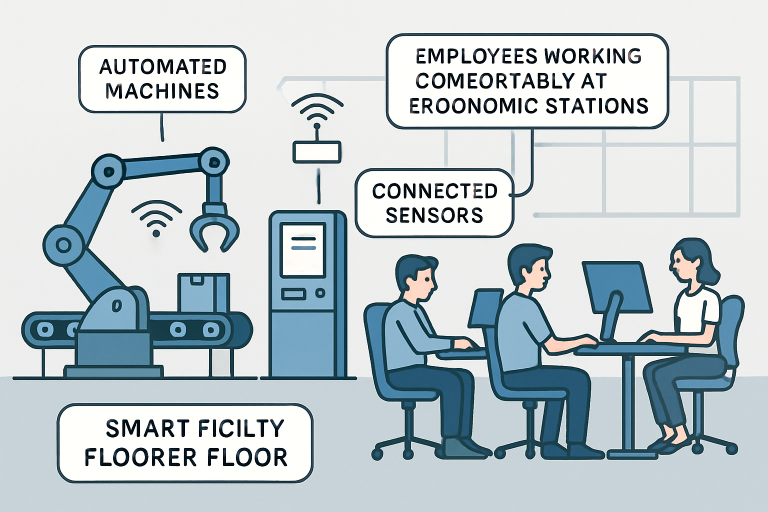
People remain at the heart of every facility, and providing ergonomic and automated tools can drive performance while protecting worker health. Ergonomic workstations, anti-fatigue mats, adjustable chairs, and mechanical assist devices help reduce repetitive strain injuries and maintain high productivity. Automation takes this a step further by assigning repetitive or physically demanding tasks to robots or smart devices, freeing employees to focus on complex and creative assignments. Automated cleaning robots, for example, ensure consistent results during routine operations and maintain sanitary environments. Such innovations not only enhance comfort but also make facilities more resilient to labor shortages and evolving health guidelines.
Data-Driven Decision Making
Harnessing analytics enables facility managers to get the most out of equipment investments. Collecting real-time data from connected devices illuminates asset utilization, energy usage, and workflow bottlenecks. Leaders can use these actionable insights to schedule targeted equipment upgrades, address inefficiencies, and predict future needs. This approach helps avoid unnecessary capital spending while maximizing returns from current assets. Businesses that incorporate analytics into their equipment strategy also foster a culture of continuous improvement, enabling them to adapt rapidly to new challenges and opportunities.
Sustainability and Eco-Friendly Choices
Sustainable facility management goes beyond compliance. It is a strategic initiative that supports environmental stewardship while delivering tangible business results. The latest generation of eco-friendly equipment makes it easier to integrate renewable energy and optimize energy use across the facility. AI-enabled transformers can detect real-time changes in demand, ensuring energy is delivered precisely where it is needed while minimizing loss. The adoption of green technologies gives companies a competitive edge as customers and regulators increasingly prioritize sustainability. It also helps businesses prepare for stricter environmental standards and future-proof facility investments.
Final Thoughts
The strategic selection, implementation, and ongoing management of smart facility equipment are critical to modern productivity. Integrated systems, predictive maintenance, energy efficiency, ergonomic innovation, actionable analytics, and sustainability are not optional for businesses aiming to thrive. These tools support both operational targets and employee well-being. By prioritizing forward-thinking equipment strategies, organizations can position themselves for lasting success in a rapidly evolving business environment.

